
When people say “burglar alarm”, they can mean very different things. Before you choose one, it helps to ask a simple question: when the alarm goes off, who actually does something about it?
1. Bells-only alarms
A bells-only (or audible-only) alarm sounds a siren and flashes a strobe. That’s it. It relies on the noise scaring the intruder off and on someone nearby, a neighbour or passer-by, taking notice. A loud, visible alarm box is still a real deterrent, but if you’re away and the neighbours are out, nobody may respond.
2. Smart alarms with phone alerts
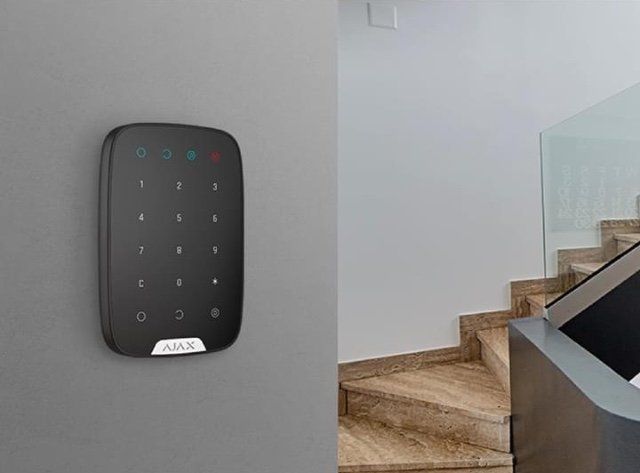
Smart alarms, such as the Ajax wireless systems we fit, add an app. The moment a door opens or a detector triggers, your phone gets a notification, often with a photo from a detector camera. You can set and unset the system from anywhere, see exactly which sensor went off, and decide what to do: check your cameras, call a neighbour, or call the police.
For most homes, this is the sweet spot. You get the deterrent of a siren plus instant, specific information wherever you are, without an ongoing monitoring contract unless you want one.
3. Monitored alarms
A monitored alarm sends its signals to an Alarm Receiving Centre (ARC) staffed 24 hours a day. Operators check each activation, filter out obvious false alarms and then contact you, your keyholders or, where the system qualifies, the police. It’s the highest level of protection for a home, and some insurers ask for it on higher-value properties.
What does it take to get a police response?
This is where many people are surprised. In England, Wales and Northern Ireland, police won’t simply respond to any alarm. According to the National Security Inspectorate (NSI), a system needs to:
- be installed and maintained by a police-recognised company (for example, NSI Gold or Silver approved)
- be monitored by an approved Alarm Receiving Centre
- be registered with your local force, which issues a Unique Reference Number (URN)
- meet the relevant standards, with a Certificate of Compliance to PD 6662 (systems installed since June 2019 to PD 6662:2017 and BS 8243:2021)
False alarms count against you. After three false calls in a rolling twelve months, police response is withdrawn until the cause is fixed. That’s one reason a well-installed, well-maintained system with good detectors matters.
Which is right for you?
For most family homes, a smart alarm with phone alerts, combined with CCTV you can check from the same phone, gives fast, reliable information at a sensible cost. If your insurer asks for a monitored or police-response system, or your property is higher risk, a monitored system is worth the ongoing cost. Check your insurance policy before you choose, because some insurers specify the type of alarm and who must install it.
Not sure what you need? We’ll talk through the options on a free site survey, including our 24/7 monitoring service.